Where the water comes from
- Surface water: downspouts that dump next to the foundation, gutters that overflow, or soil and patios that slope toward the house. This is the most common and cheapest problem to fix.
- Saturated clay soil: clay holds water against the wall and builds pressure. Water comes in at the floor-wall joint (the "cove"), through tie-rod holes and through cracks.
- High groundwater: in low areas and near creeks, the water table can rise in spring and push water up through the floor.
- Window wells: wells without drains or covers fill up and leak around the window.
- Condensation: damp walls on humid summer days can be condensation, not leaks. Tape a square of plastic wrap to the wall for a day: moisture on the room side means condensation, behind it means seepage.
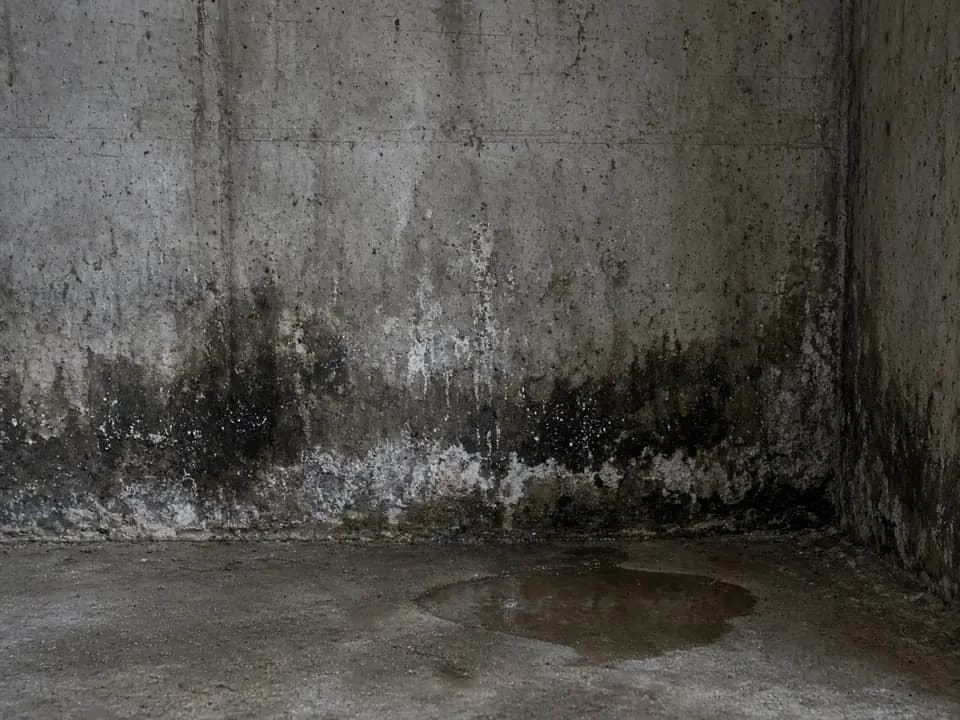
Fixes to try first (low cost)
- Extend downspouts 6–10 feet away from the house.
- Clean gutters, especially after fall leaves drop.
- Regrade soil so it slopes away from the foundation, about 6 inches of drop over the first 10 feet.
- Add window-well covers and make sure wells drain.
- Run a dehumidifier.
If water still comes in after heavy rain or every spring thaw, it's time for a contractor to look.
Professional options
Interior drain tile (interior perimeter drain)
The contractor cuts a strip of floor along the walls, lays perforated pipe in gravel, and slopes it to a sump pit. Water that gets through the wall or rises at the footing is caught and pumped out. A plastic dimple membrane on the wall often directs seepage down into the drain.
Crack repair
Poured-wall cracks that leak can often be injected with polyurethane or epoxy from the inside. Cracks that are widening, horizontal, or come with bowing walls are a structural issue and need a structural assessment, not just a sealant.
Exterior waterproofing
Excavating down to the footing, applying a membrane to the wall and installing new footing drains. It's the most thorough option but the most expensive and disruptive, and it's usually saved for serious problems or when the outside is already being dug up.
Typical waterproofing costs
| Job | Typical estimate |
|---|---|
| Downspout extensions / minor regrading | $100 – $1,500 |
| Crack injection (per crack) | $400 – $900 |
| Interior drain tile with sump pump (typical home) | $4,000 – $12,000 |
| Exterior excavation and waterproofing (per wall section) | $8,000 – $25,000+ |
All prices are typical West Michigan estimates for planning only. Your actual price depends on your basement, the equipment you choose and the contractor's on-site estimate.
Waterproofing questions
Is interior or exterior waterproofing better?
Exterior waterproofing stops water at the outside of the wall but means excavating, which is expensive and disruptive. Interior drain tile with a sump pump doesn't stop water reaching the wall, but it collects it before it reaches your floor, and it's the most common fix for Grand Rapids basements because it costs less and works well with high groundwater.
Will sealing paint on the walls stop basement water?
Waterproof paint can help with light dampness and condensation, but it won't hold back water under pressure from saturated clay soil. If water is actively coming through, the paint will usually peel or blister.
Should I run a dehumidifier in my basement?
Yes. Keeping humidity at about 50% or below helps prevent mold and musty smells, especially in humid West Michigan summers. It manages dampness but doesn't fix water that's actually coming in.